
Exploring the Specifications of CFA Multifunctional Long Auger Drilling Rigs
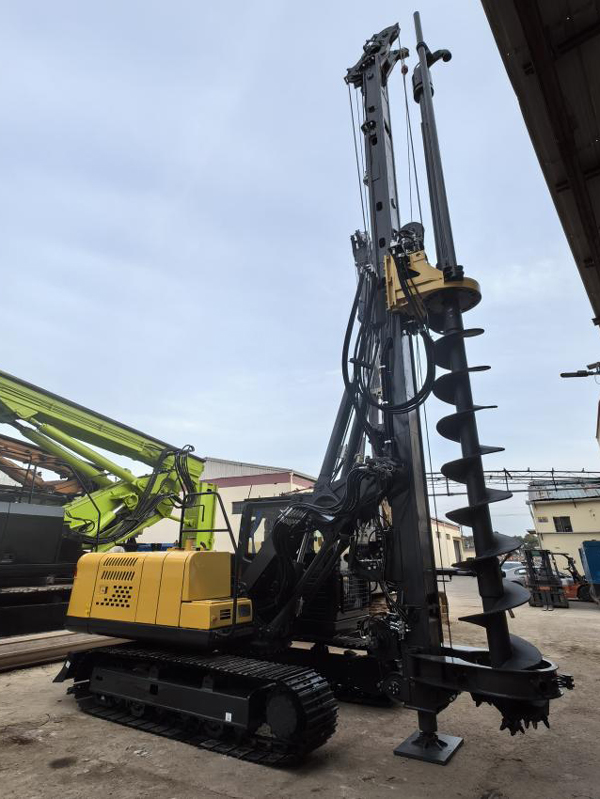
Exploring the Specifications of CFA Multifunctional Long Auger Drilling Rigs CFA Multifunctional Long Auger Drilling Rigs change how drilling is done. They are great for city projects because they reduce noise and shaking. These rigs have smart systems to check torque and use data to work better. They can handle different soil types using special hybrid methods. Whether in busy cities or tough ground, these rigs are accurate and dependable. Key Takeaways Key Components of CFA Multifunctional Long Auger Drilling Rigs Knowing the main parts of a CFA Multifunctional Long Auger Drilling Rig helps you understand its advanced features. Each part is important for smooth and accurate drilling. Let’s break down these components. Auger System The auger system is the most important part of the rig. It uses a long, spiral-shaped tool to dig into the ground and remove soil at the same time. This system helps create strong, deep foundations without stopping. Its design makes soil removal easy and prevents clogs. The auger can drill up to 15 meters deep and 700 millimeters wide. This makes it perfect for many construction jobs. It works well in different types of soil, making it dependable. Hydraulic Power Unit The hydraulic power unit gives the rig the strength it needs to work. It powers the auger, mast, and other key parts. This unit keeps the rig running smoothly, even in tough conditions. It can handle a pressure of 34.3 MPa and a torque of 125 kN.m. This means it’s strong enough for hard jobs. You can trust this system to keep the rig steady and accurate while drilling. Control System The control system acts like the rig’s brain. It lets you watch and adjust how the rig works in real time. Sensors and software give data about torque, depth, and speed. This helps you make smart choices while working. Automation makes the rig more accurate and reduces mistakes. This system saves time and effort, whether the project is small or big. It makes hard tasks easier to manage. Parameter Value Max. drilling depth (CFA) 15m Max. diameter (CFA) 700mm Main winch line pull (CFA) 240 kN Max. drilling depth (Rotary) 37m Max. diameter (Rotary) 1300 mm Main winch line pull (Rotary) 120 kN Max. torque 125 kN.m Max. operating pressure 34.3 MPa Total weight 35 t Tip: Take care of these parts regularly to keep your CFA Multifunctional Long Auger Drilling Rig working well for a long time. Drilling Mast and Frame The drilling mast and frame are the main support parts of a CFA Multifunctional Long Auger Drilling Rig. They help keep the rig steady and accurate during drilling. The mast is like a tall arm that guides the auger as it digs. Its strong design lets the rig handle deep and wide drilling jobs. Why are the mast and frame important? Note: Check the mast and frame often to avoid damage. Keeping them in good shape helps the rig work well for a long time. Feature Benefit Strong materials Handles heavy loads Adjustable mast height Works for different depths Reinforced frame design Reduces shaking during drilling The mast and frame are key to the rig’s stability and accuracy. Without them, drilling would not be as precise or reliable. Chassis and Mobility Features The chassis and mobility parts decide how easy it is to move the rig. A good chassis keeps the rig steady while working, and mobility features make moving and setting up faster. Important mobility features include: Tip: Always check the ground before setting up the rig. Proper placement avoids accidents and improves drilling results. Mobility Feature Advantage Tracked base Grips rough ground better Compact chassis Fits into small spaces Hydraulic leveling Balances on uneven ground The chassis and mobility features make moving and using the rig simple. Whether in a crowded city or a faraway site, these features help the rig work well. Functionality of CFA Multifunctional Long Auger Drilling Rigs Continuous Flight Auger Process The continuous flight auger (CFA) process is key to these rigs. It uses a spiral-shaped tool to dig and remove soil at once. This design keeps the hole stable while drilling. The process creates strong foundations without stopping. Studies show this method works well in tough conditions: This process is also good for the environment. It makes less noise and vibration, which is great for city projects. The CFA method helps with accurate and steady drilling, making it reliable for modern needs. Soil Removal and Concrete Injection These rigs are great at removing soil and adding concrete. The auger pulls out soil while keeping the hole intact. This saves time and keeps the work smooth. After reaching the right depth, concrete is pumped into the hole under pressure. This fills gaps and makes a strong base. Tests prove this method works well: This system makes building faster and easier. Whether for homes or big projects, it gives solid and reliable results. Automation and Precision in Operation Automation helps these rigs work better and faster. Smart systems track torque, depth, and speed as you drill. You can adjust things quickly to avoid mistakes and save time. Sensors and software make drilling more accurate. They reduce waste and improve how the rig performs. Automation makes hard jobs simpler and boosts productivity. With strong engineering and smart tools, these rigs are precise and safe. They meet modern construction needs while staying efficient and dependable. Depth and Diameter Capabilities CFA Multifunctional Long Auger Drilling Rigs are great for many projects. They can handle different depths and hole sizes. This makes them useful for various construction and soil jobs. These rigs can meet your needs, whether for shallow or deep drilling. Depth Capabilities These rigs can drill very deep for strong foundations. For CFA drilling, they reach up to 15 meters. Rotary drilling goes even deeper, up to 37 meters. This range lets you work on small homes or big infrastructure projects. Did You Know?A rig’s depth depends on its mast, auger, and hydraulic power. Regular care helps it perform well at its deepest levels. Diameter Capabilities
Essential Tools Every Gravity Drilling Rig Needs
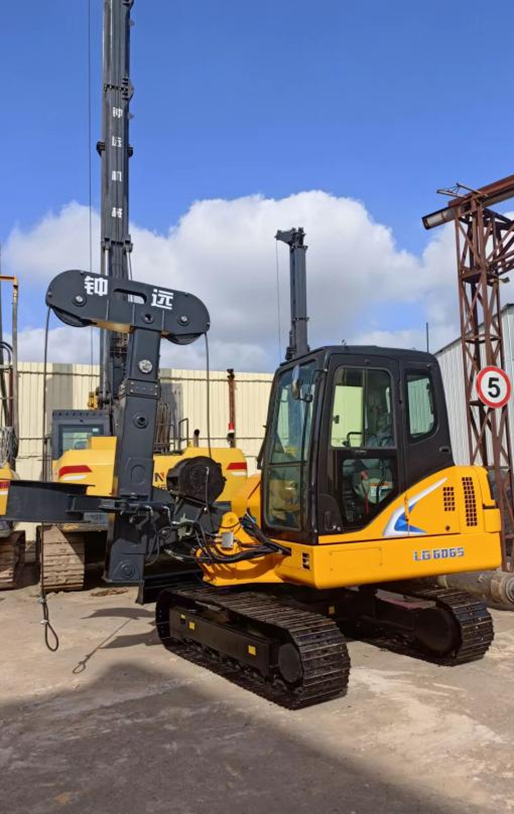
Essential Tools Every Gravity Drilling Rig Needs Operating a gravity drilling rig needs special tools to work well. These tools are drill rods, casings, hydraulic units, and borehole logging devices. Each tool helps keep the work safe, fast, and accurate. For example, the point of disconnect (POD) circle shows the farthest the riser system can move without breaking. Also, the red and yellow watch circles help crews act quickly at the right time. Using these tools on your rig lowers risks and makes drilling better. Key Takeaways Framework and Structural Components Base and Support Systems The base and support systems are the backbone of a drilling rig. They keep the rig steady, even in tough conditions. A strong base lowers vibrations and stops damage to the structure. This stability makes drilling safer and more effective. Here’s how a good base system helps: Benefit Category Description Faster Drilling Speeds up how quickly the drill moves through the ground. Safer Operations Reduces problems like stuck pipes or fluid leaks. Smaller Crew Needs fewer workers, saving money and improving safety. Better Well Shape Makes drilling smoother and easier to finish. Investing in solid base systems leads to safer and smoother drilling. It also cuts down on repairs, saving both time and money over time. Drill Rods and Casings Drill rods and casings are key for keeping the borehole stable. Drill rods link the drill bit to the rig, sending force to drill. Casings line the borehole to stop it from collapsing or getting dirty. Pick drill rods that are strong and bendable. Good rods handle drilling stress without snapping. Casings should resist rust and be simple to set up. Using the right rods and casings keeps your rig safe and working well. Drill Bits for Gravity Drilling Drill bits cut into the earth during drilling. Choosing the right drill bit is important for good results. Different bits work best with certain types of soil or rock. Knowing your drilling area helps you pick the right one. Drill bit performance can be checked using these measures: Performance Metric Description Energy Use Shows how much energy is needed to break rock. Force on Bit Measures the pressure on the drill bit for better drilling. Turning Power Tracks how well the bit spins to cut through rock. Drilling Speed Checks how fast the bit moves through the ground. Work Efficiency Compares useful work done to energy used, showing overall success. Choosing the right drill bit boosts drilling speed and saves energy. It also helps your equipment last longer and work better. Power and Control Systems Hydraulic Units Hydraulic units power your gravity drilling rig. They create energy to move the drill and parts smoothly. These systems use pressurized fluid to work efficiently. A good hydraulic unit makes drilling better. It lowers the chance of equipment breaking and keeps power steady. Newer systems have features like variable flow control. This lets you change pressure based on drilling needs. It helps your equipment last longer and work more precisely. To keep hydraulic units working well, do regular checks. Look at fluid levels, check hoses for leaks, and replace old parts quickly. These steps keep your rig safe and reliable, even in tough conditions. Control Panels Control panels are the brain of your drilling rig. They help you watch and change drilling settings easily. Modern panels use smart technology to make drilling safer and faster. New control panels have many helpful features: These tools make control panels very important for drilling. They help you manage speed, pressure, and force accurately. By using advanced control systems, you can drill safely, lower risks, and get better results. Safety Tools for Gravity Drilling Rig Operations Safety tools are very important for gravity drilling rigs. They keep workers safe, lower risks, and help work go smoothly. Below are three key safety tools to focus on. Anchoring Systems Anchoring systems keep the rig steady and stop it from moving. They hold the rig firmly to the ground, even in loose dirt or strong winds. Without good anchors, the rig might shift, causing accidents or damage. Modern systems have adjustable clamps and hydraulic anchors. These features help the rig stay stable on different types of ground. Check your anchoring system often for damage or wear. A well-kept system keeps the rig safe and steady during drilling. Fall Protection Gear Fall protection gear is crucial for workers at high places. Harnesses, lanyards, and guardrails help prevent falls, which are a big danger on drilling sites. Some companies now use machines to reduce work at heights. This makes jobs safer for workers. From 2005 to 2014, 63 workers died from falls in oil and gas drilling. About 30% of these deaths happened during rig setup or takedown. Using fall protection could have saved many lives. Incident Type Description Fatalities Six deaths in UK offshore oil and gas in 10 years, two from falls. Major Injuries Falls caused 67 major injuries between 2012-2019. Make sure workers use fall protection gear the right way. This simple step can save lives and stop serious injuries. Emergency Shutoff Mechanisms Emergency shutoff systems are critical for unexpected problems. They let you stop work quickly to avoid accidents or damage. Place shutoff controls where they are easy to reach. Teach workers how to use them properly. Practice drills to prepare for emergencies. A good shutoff system protects workers and reduces repair costs and delays. Monitoring and Measurement Equipment Monitoring tools are key to making drilling work well. These tools help track progress, keep things accurate, and collect important data. Below are the main tools you need for good monitoring. Depth and Inclination Tools Depth and angle tools measure how deep and at what tilt you drill. They make sure the borehole stays on the planned path. This is important for safety and smooth operations. Modern tools are very accurate and reliable, making them a must-have. Here’s what they can measure: Measurement Type Accuracy Repeatability Nominal Resolution Unit Inclination 0.2 0.1 0.1 ± degrees Azimuth (>
Top 10 Types of Rotary Drilling Rigs for 2025
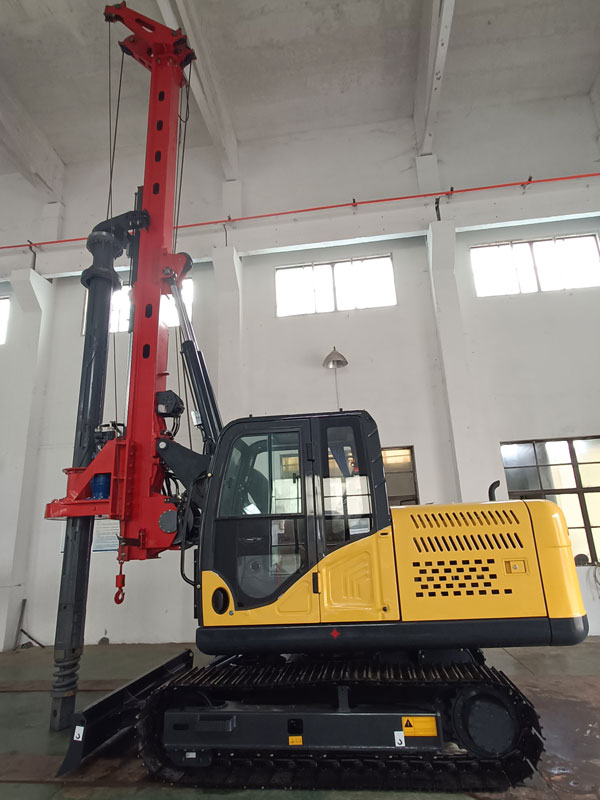
Top 10 Types of Rotary Drilling Rigs for 2025 Rotary drilling rigs are very important for industries like building, mining, and finding oil. These machines help drill quickly, even in tough areas. By 2025, the market for these rigs may grow to $3.74 billion, increasing at a steady rate of 3.7% each year. By 2029, it could reach $4.32 billion, showing how needed they are. Picking the right rig helps work faster, save money, and protect the environment. Key Takeaways Hydraulic Rotary Drilling Rig Key Features Hydraulic rotary drilling rigs are built with smart technology. They use hydraulic systems for power, giving better control and performance. One great feature is cutting greenhouse gas (GHG) emissions by half. This makes them a greener option for drilling. Their small size lowers their carbon footprint and keeps workers safer by reducing falling object risks. Here’s a simple breakdown of the specs for 2025: Specification Value Top Drive Torque Range 13,560 Nm to 52,230 Nm Speed 120 rpm to 200 rpm Rig Weight 55 metric tons to 317 metric tons GHG Emission Reduction 50% less lifecycle GHG emissions NPT Reduction Cuts costs and wasted time These rigs also have smart automation. This makes daily tasks easier and keeps them working well, even in bad weather. Applications Hydraulic rotary drilling rigs work in many industries. They are great for building, mining, and finding oil. These rigs handle tough jobs and drill deep with ease. They are perfect for projects needing low environmental impact, like city work or eco-sensitive areas. Advantages These rigs come with many perks. Their strong torque and speed make drilling faster, saving time and money. Their small size fits tight spaces easily. Smart automation reduces downtime and costs. Plus, lower GHG emissions help meet global green goals and rules. Tip: Need a flexible and green drilling option? Pick a hydraulic rotary drilling rig. Disadvantages Hydraulic rotary drilling rigs have many good points, but they also have some downsides to think about before choosing one. Note: Think carefully about these downsides before buying a hydraulic rotary drilling rig. Comparing costs and benefits can help you decide if it fits your project needs. Knowing these challenges helps you plan better and avoid surprises during your work. Electric Rotary Drilling Rig Key Features Electric rotary drilling rigs run on electricity, making them cleaner and quieter than older rigs. They are very accurate and work efficiently because of smart monitoring tools. For instance, Yasar et al. (2011) made a rig that tracks load and speed while drilling. Wang Y. et al. (2020) created a system with up to 50 kN thrust and 400 Nm torque. Feng and Wang (2022) improved this by adding real-time tools like laser sensors. Here’s a simple summary of their features: Study Key Features/Specifications Yasar et al. (2011) Tracks load and speed during indoor drilling. Wang Y. et al. (2020) 50 kN thrust and 400 Nm torque system. Feng and Wang (2022) Real-time laser and loading sensors for better monitoring. These rigs are also quieter, which is great for cities or neighborhoods. Since they use electricity, they don’t need fuel, cutting costs and helping the environment. Applications Electric rotary drilling rigs can be used in many fields. They are great for building projects, mining, and even research. Their accuracy makes them ideal for sensitive areas, like cities or near protected nature spots. They also work well indoors, where noise and pollution must stay low. Advantages Electric rotary drilling rigs have many good points. First, they are eco-friendly because they don’t make direct emissions. This helps meet green goals and follow environmental rules. Second, they are quiet, which makes work safer and more pleasant. Third, their smart systems make drilling more accurate and save time. Lastly, they cost less to run because they use less energy. Tip: Need a quiet, eco-friendly, and efficient rig? Choose an electric rotary drilling rig. Disadvantages Electric rotary drilling rigs have many good points, but they also have some problems you should think about before choosing one. Note: Electric rotary drilling rigs are great for green and city projects. But, you should think about these problems and see if they fit your project needs. Knowing these issues helps you plan better and avoid surprises during your work. Crawler-Mounted Rotary Drilling Rig Key Features Crawler-mounted rotary drilling rigs are made for balance and movement. Their special lower chassis keeps them steady on uneven ground. This makes them great for tough places like building sites or mines. These rigs can drill wide holes, up to 2,500 mm across, and go as deep as 87 meters. They can move quickly at speeds of up to 2 km/h, which is helpful for jobs that need frequent moving. Here’s how their features compare to other rigs: Feature Crawler-Mounted Rotary Rig Other Rig Types Drilling Diameter 2,000 – 2,500 mm 89 mm – 2,300 mm Drilling Depth 67 – 87 m 5 m – 94 m Max Driving Speed 2 km/h Varies by type Chassis Design Special lower chassis Standard chassis designs Mobility High Varies by type Stability Enhanced Varies by type These rigs also use advanced hydraulic systems for accurate drilling. Automated controls make them work faster and better. Applications Crawler-mounted rotary drilling rigs are used where balance and movement are needed. They are perfect for building foundations and piling. Mining projects use them for drilling wide and deep holes. They are also helpful in geotechnical surveys, where their accuracy and mobility collect better data. Advantages Crawler-mounted rotary drilling rigs have many good points: Tip: Need a rig that’s steady, mobile, and precise? Choose a crawler-mounted rotary drilling rig. Disadvantages Crawler-mounted rotary drilling rigs have many good points, but they also have some downsides you should think about before choosing one. These issues could affect your project’s cost and progress. Note: Knowing these problems helps you plan better. If your job needs quick moves or has a tight budget, you might want to look at other rigs. Think about these downsides along with the good points. This will help you decide if a crawler-mounted