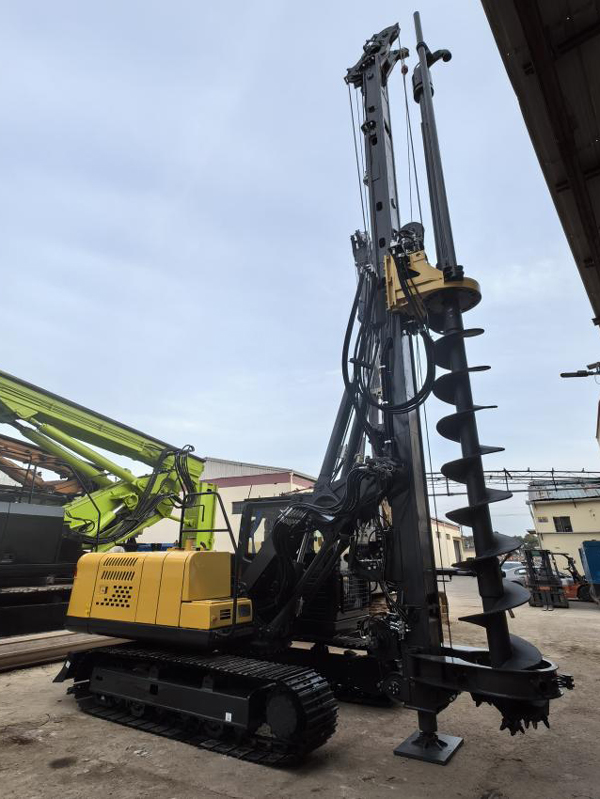
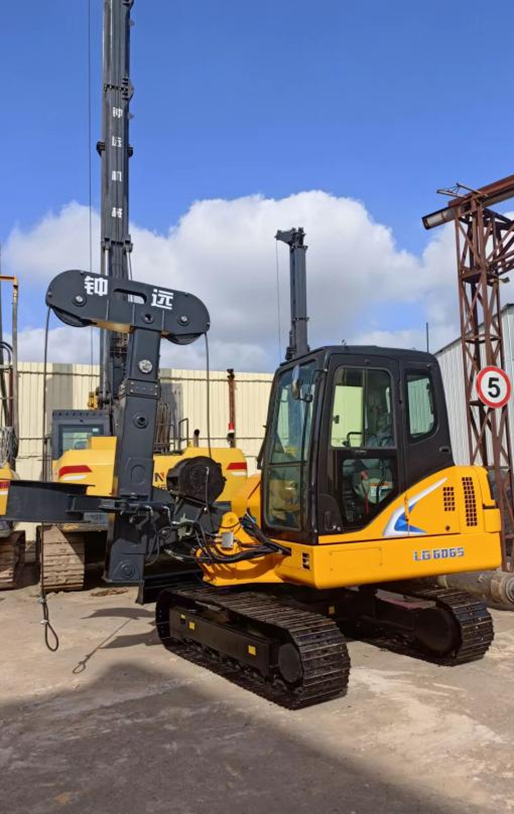
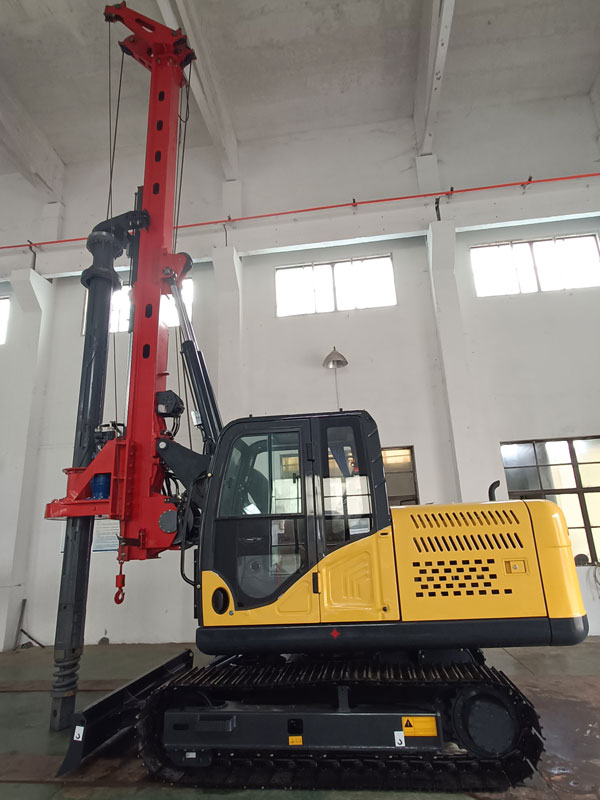
Top 10 Types of Rotary Drilling Rigs for 2025
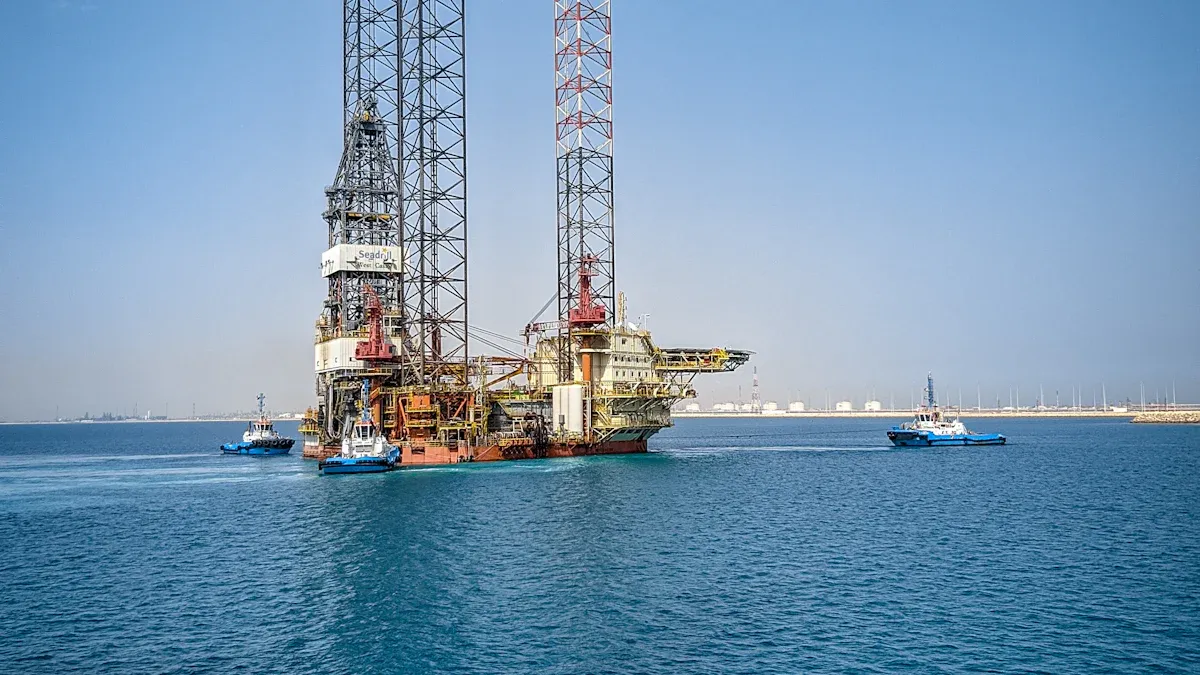
Rotary drilling rigs are very important for industries like building, mining, and finding oil. These machines help drill quickly, even in tough areas. By 2025, the market for these rigs may grow to $3.74 billion, increasing at a steady rate of 3.7% each year. By 2029, it could reach $4.32 billion, showing how needed they are. Picking the right rig helps work faster, save money, and protect the environment.
Key Takeaways
- Picking the right drilling rig saves time, money, and nature.
- Hydraulic rigs use new tech, cutting pollution by 50%, so they’re greener.
- Electric rigs are quiet and eco-friendly, great for cities, but need power.
- Crawler rigs are stable and mobile, good for rough land, but cost a lot.
- Multi-use rigs work on many soils but need skilled workers and upkeep.
Hydraulic Rotary Drilling Rig
Key Features
Hydraulic rotary drilling rigs are built with smart technology. They use hydraulic systems for power, giving better control and performance. One great feature is cutting greenhouse gas (GHG) emissions by half. This makes them a greener option for drilling. Their small size lowers their carbon footprint and keeps workers safer by reducing falling object risks.
Here’s a simple breakdown of the specs for 2025:
| Specification | Value |
|---|---|
| Top Drive Torque Range | 13,560 Nm to 52,230 Nm |
| Speed | 120 rpm to 200 rpm |
| Rig Weight | 55 metric tons to 317 metric tons |
| GHG Emission Reduction | 50% less lifecycle GHG emissions |
| NPT Reduction | Cuts costs and wasted time |
These rigs also have smart automation. This makes daily tasks easier and keeps them working well, even in bad weather.
Applications
Hydraulic rotary drilling rigs work in many industries. They are great for building, mining, and finding oil. These rigs handle tough jobs and drill deep with ease. They are perfect for projects needing low environmental impact, like city work or eco-sensitive areas.
Advantages
These rigs come with many perks. Their strong torque and speed make drilling faster, saving time and money. Their small size fits tight spaces easily. Smart automation reduces downtime and costs. Plus, lower GHG emissions help meet global green goals and rules.
Tip: Need a flexible and green drilling option? Pick a hydraulic rotary drilling rig.
Disadvantages
Hydraulic rotary drilling rigs have many good points, but they also have some downsides to think about before choosing one.
- High Initial Cost: These rigs cost a lot to buy. Their advanced hydraulic systems and smart features make them pricier than older rigs. If your budget is small, this could be a big problem.
- Maintenance Complexity: These rigs need regular care because of their advanced technology. Hydraulic systems might leak or need new parts, which can cost more to fix. Skilled workers are often needed for repairs, adding to expenses.
- Limited Availability of Spare Parts: Replacement parts for these rigs can be hard to find. If your rig breaks during work, delays might happen while waiting for parts.
- Energy Consumption: Even though they lower GHG emissions, these rigs still use a lot of energy. In remote areas with little power, this could be a challenge.
- Weight and Transport Issues: Some hydraulic rigs are heavy, even with their compact design. Moving them might need special tools, which can raise transport costs.
Note: Think carefully about these downsides before buying a hydraulic rotary drilling rig. Comparing costs and benefits can help you decide if it fits your project needs.
Knowing these challenges helps you plan better and avoid surprises during your work.
Electric Rotary Drilling Rig
Key Features
Electric rotary drilling rigs run on electricity, making them cleaner and quieter than older rigs. They are very accurate and work efficiently because of smart monitoring tools. For instance, Yasar et al. (2011) made a rig that tracks load and speed while drilling. Wang Y. et al. (2020) created a system with up to 50 kN thrust and 400 Nm torque. Feng and Wang (2022) improved this by adding real-time tools like laser sensors.
Here’s a simple summary of their features:
| Study | Key Features/Specifications |
|---|---|
| Yasar et al. (2011) | Tracks load and speed during indoor drilling. |
| Wang Y. et al. (2020) | 50 kN thrust and 400 Nm torque system. |
| Feng and Wang (2022) | Real-time laser and loading sensors for better monitoring. |
These rigs are also quieter, which is great for cities or neighborhoods. Since they use electricity, they don’t need fuel, cutting costs and helping the environment.
Applications
Electric rotary drilling rigs can be used in many fields. They are great for building projects, mining, and even research. Their accuracy makes them ideal for sensitive areas, like cities or near protected nature spots. They also work well indoors, where noise and pollution must stay low.
Advantages
Electric rotary drilling rigs have many good points. First, they are eco-friendly because they don’t make direct emissions. This helps meet green goals and follow environmental rules. Second, they are quiet, which makes work safer and more pleasant. Third, their smart systems make drilling more accurate and save time. Lastly, they cost less to run because they use less energy.
Tip: Need a quiet, eco-friendly, and efficient rig? Choose an electric rotary drilling rig.
Disadvantages
Electric rotary drilling rigs have many good points, but they also have some problems you should think about before choosing one.
- High Initial Investment: These rigs cost more to buy than older rigs. Their advanced parts and technology make them expensive. If your budget is small, this could be a big issue.
- Limited Power Supply in Remote Areas: Electric rigs need electricity to work. In faraway places without steady power, this can be a problem. You might need to buy generators, which adds to your costs.
- Lower Torque for Heavy-Duty Projects: Electric rigs may not handle tough jobs well. For deep mining or oil drilling, they might not be as strong as hydraulic or diesel rigs.
- Maintenance Challenges: These rigs are advanced and need special care. Fixing them requires skilled workers and specific parts, which can be hard to find in some areas.
- Environmental Concerns with Battery Disposal: If the rig uses batteries, getting rid of old ones can be tricky. Throwing them away the wrong way can hurt the environment and go against green goals.
Note: Electric rotary drilling rigs are great for green and city projects. But, you should think about these problems and see if they fit your project needs.
Knowing these issues helps you plan better and avoid surprises during your work.
Crawler-Mounted Rotary Drilling Rig
Key Features
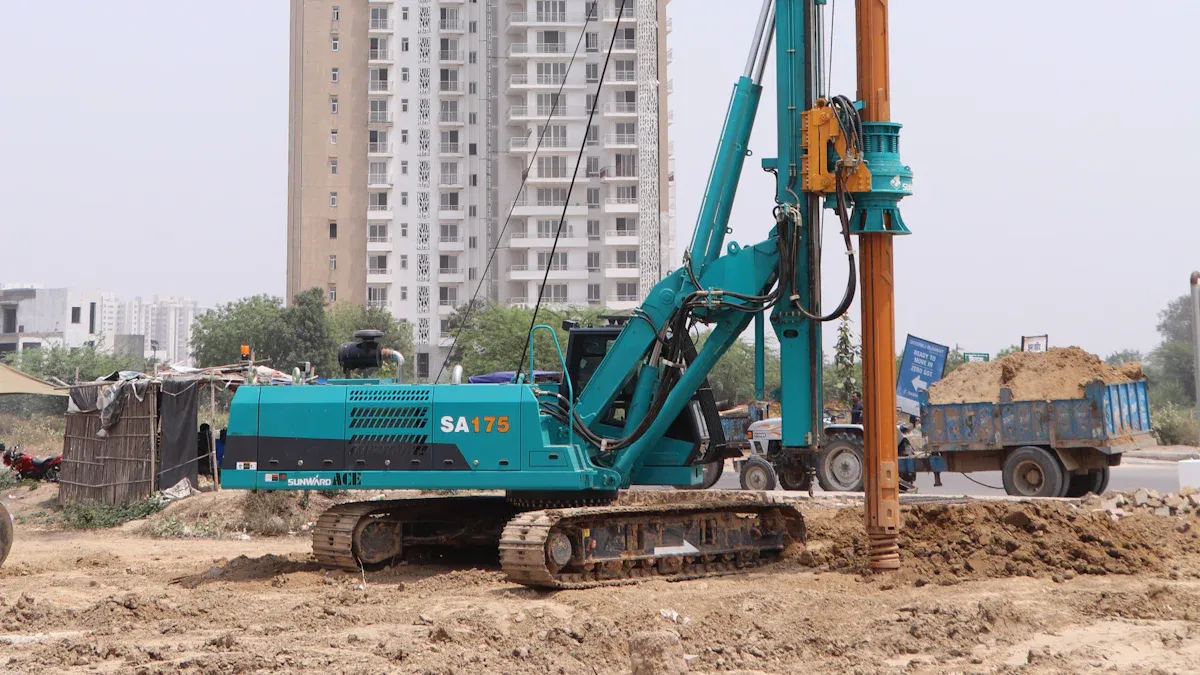
Crawler-mounted rotary drilling rigs are made for balance and movement. Their special lower chassis keeps them steady on uneven ground. This makes them great for tough places like building sites or mines. These rigs can drill wide holes, up to 2,500 mm across, and go as deep as 87 meters. They can move quickly at speeds of up to 2 km/h, which is helpful for jobs that need frequent moving.
Here’s how their features compare to other rigs:
| Feature | Crawler-Mounted Rotary Rig | Other Rig Types |
|---|---|---|
| Drilling Diameter | 2,000 – 2,500 mm | 89 mm – 2,300 mm |
| Drilling Depth | 67 – 87 m | 5 m – 94 m |
| Max Driving Speed | 2 km/h | Varies by type |
| Chassis Design | Special lower chassis | Standard chassis designs |
| Mobility | High | Varies by type |
| Stability | Enhanced | Varies by type |
These rigs also use advanced hydraulic systems for accurate drilling. Automated controls make them work faster and better.
Applications
Crawler-mounted rotary drilling rigs are used where balance and movement are needed. They are perfect for building foundations and piling. Mining projects use them for drilling wide and deep holes. They are also helpful in geotechnical surveys, where their accuracy and mobility collect better data.
Advantages
Crawler-mounted rotary drilling rigs have many good points:
- Their special chassis keeps them steady on uneven ground.
- They can drill deeper, up to 87 meters.
- They drill wider holes, up to 2,500 mm across.
- They move easily with a flexible chassis for quick relocation.
- Advanced hydraulic systems and automation make work faster and smoother.
Tip: Need a rig that’s steady, mobile, and precise? Choose a crawler-mounted rotary drilling rig.
Disadvantages
Crawler-mounted rotary drilling rigs have many good points, but they also have some downsides you should think about before choosing one. These issues could affect your project’s cost and progress.
- High Initial Cost: These rigs cost a lot to buy. Their advanced hydraulic systems and special chassis make them pricey. If your budget is small, this might be a big problem.
- Maintenance Needs: These rigs need regular care to work well. Their moving parts and hydraulic systems often need skilled workers for repairs. This can make running them more expensive.
- Slow Movement: These rigs can move, but only at 2 km/h. If your job needs them to move far often, this slow speed could cause delays.
- Heavy Design: These rigs are very heavy because of their strong build. Moving them to far or hard-to-reach places might need special tools, which raises transport costs.
- Environmental Risks: The hydraulic systems might leak oil, which can hurt nature. You’ll need to take extra steps to stop pollution, especially in sensitive areas.
Note: Knowing these problems helps you plan better. If your job needs quick moves or has a tight budget, you might want to look at other rigs.
Think about these downsides along with the good points. This will help you decide if a crawler-mounted rotary drilling rig fits your project. Always match the rig to your needs before buying.
Truck-Mounted Rotary Drilling Rig
Key Features
Truck-mounted rotary drilling rigs are made for easy movement. These rigs are built on strong trucks, making transport simple. They combine drilling tools and a truck into one unit. This design cuts the need for extra vehicles, saving money and time.
Most of these rigs use advanced hydraulic systems for accurate drilling. They can drill up to 70 meters deep, depending on the model. Some models also have automated controls, which make work easier and more precise. Their tough build helps them last in rough conditions.
| Feature | Specification Range |
|---|---|
| Drilling Depth | Up to 70 meters |
| Mobility | High |
| Automation | Available in advanced models |
Applications
Truck-mounted rotary drilling rigs work well in many industries. They are great for drilling water wells, geotechnical surveys, and building foundations. Their mobility makes them perfect for remote or hard-to-reach areas. They are also used in oil and gas projects where moving quickly is important.
These rigs are best for small to medium jobs. Their compact size lets them work in cities without causing big disruptions. They are also helpful for emergency drilling because they are quick to set up and move.
Advantages
Truck-mounted rotary drilling rigs have many benefits. They move easily between sites, saving time. Their compact design means no extra transport vehicles are needed. Advanced models with automation make drilling faster and more accurate.
These rigs are affordable for smaller projects. They can handle many tasks, making them very useful. Their strong build ensures they last long, even in tough conditions.
Tip: Need a drilling rig that’s mobile and efficient? A truck-mounted rotary drilling rig is a great option.
Disadvantages
Truck-mounted rotary drilling rigs have many good points, but they also have some downsides to think about. These issues might affect your project’s success and costs.
- Limited Drilling Depth: These rigs can’t drill very deep. They only reach up to 70 meters. For deeper jobs, other rigs might work better.
- Reduced Stability on Uneven Terrain: These rigs are easy to move but less stable on rough ground. You might need extra tools to keep them steady, which adds time and money.
- High Maintenance Costs: These rigs combine a truck and drilling system, so they have many parts. Keeping them in good shape costs more, especially in tough conditions.
- Limited Customization Options: These rigs come ready-made, so changing them is hard. If your job needs special tools, you might face problems.
- Environmental Concerns: These rigs use diesel trucks, which make more pollution. This could be an issue in places with strict green rules.
Note: If your job needs deep drilling or steady rigs for rough areas, look at other options. Always check the pros and cons to pick the right rig.
Knowing these problems helps you plan better and avoid surprises during your work.
Offshore Rotary Drilling Rig
Key Features
Offshore rotary drilling rigs are made for tough ocean conditions. They can handle strong winds, big waves, and salty water. These rigs use smart systems like dynamic positioning to stay steady while drilling. Many can drill deeper than 3,000 meters, perfect for deep-sea work.
Modern rigs have automated tools to watch and control drilling. These tools make work safer and faster by needing less manual effort. Many rigs also include green technologies to protect ocean life and reduce harm to the environment.
| Feature | Specification Range |
|---|---|
| Drilling Depth | Over 3,000 meters |
| Stabilization System | Dynamic positioning |
| Automation | Smart monitoring systems |
Applications
Offshore rotary drilling rigs are mostly used in oil and gas projects. They help find and collect resources under the ocean floor. Scientists also use them to study underwater rocks and sea life. These rigs are great for deep-water jobs in faraway places.
You’ll see these rigs in areas with lots of offshore oil, like the Gulf of Mexico or the North Sea. They are also used in green energy projects, such as setting up offshore wind turbines.
Advantages
Offshore rotary drilling rigs have many good points. They can reach deep waters to access oil and gas reserves. Their stabilization systems keep drilling accurate, even in rough seas. Automated tools improve safety and cut costs by reducing mistakes. Plus, eco-friendly designs help lower their impact on the ocean.
Tip: Need to drill deep in the ocean? Offshore rotary drilling rigs are a smart and dependable choice.
Disadvantages
Offshore rotary drilling rigs are strong tools but have problems. These issues can affect your project’s cost, time, and green rules.
- High Initial Investment
Offshore rigs cost a lot to buy. Their advanced parts and safety systems make them expensive. If your budget is small, this could be a big problem. - Complex Maintenance Requirements
These rigs need special care to stay in good shape. Ocean conditions wear them down faster, needing more checks and fixes. Skilled workers are needed, which raises costs. - Environmental Risks
Offshore drilling can hurt ocean life. Oil spills or leaks damage ecosystems and cost a lot to clean up. You’ll need plans to stop spills and handle emergencies. - Weather Dependency
Bad weather like storms can stop work. Delays cost money and make projects take longer. You should plan for downtime caused by rough seas. - Logistical Challenges
Working far out in the ocean is hard. Moving tools, supplies, and workers takes time and money. Good communication systems are needed for safety and teamwork.
Note: Offshore rotary drilling rigs are useful but need careful planning. Check your project’s goals, money, and green rules before choosing this option.
Knowing these problems helps you plan better and avoid surprises during offshore drilling work.
Compact Rotary Drilling Rig
Key Features
Compact rotary drilling rigs are made to work well in small spaces. Their small size is perfect for cities or tight job areas. Even though they are small, they are very strong and reliable. They have a 100 kW (134 HP) engine that handles tough jobs easily. The crawler width of 780 mm (30.7 in) keeps them steady on uneven ground. The rotary head stroke, up to 2450 mm (8.0 ft), helps with accurate drilling.
These rigs are great at pulling and pushing force, both rated at 50 kN (11,240 lbf). This lets them drill through hard materials without trouble. They also work fast, with an extraction speed of 40 m/min (131 ft/min), saving time. The drilling sizes range from 67 mm to 254 mm (2.6 to 10 in), making them useful for many tasks. Below is a table of their key specifications:
| Specification | Value |
|---|---|
| Engine power | 100 kW (134 HP) |
| Width of crawler | 780 mm (30.7 in) |
| Stroke of rotary head | 2450/2200 mm (8.0 / 7.2 ft) |
| Extraction force | 50 kN (11,240 lbf) |
| Crowd force | 50 kN (11,240 lbf) |
| Fast extraction speed | 40 m/min (131 ft/min) |
| Diameters | 67 ÷ 254 mm (2.6 ÷ 10 in) |
| Machine overall weight | 6700 kg (14,771 lbs) |
| Power pack overall weight | 3500 kg (7,716 lbs) |
These features make compact rotary drilling rigs a strong and space-saving choice for modern projects.
Applications
Compact rotary drilling rigs are used where space and easy movement are important. They are great for city construction, like foundation drilling and surveys. Their small size makes them perfect for places where big rigs cannot fit.
These rigs are also helpful in energy projects, like drilling geothermal wells. They are efficient and precise, which helps finish projects faster and saves money. They are also used in environmental studies, where keeping the area undisturbed is important.
Advantages
Compact rotary drilling rigs have many benefits that make them popular in different industries:
- Cost-Effective: These rigs are affordable and save money on transport and setup.
- Efficient Operation: Their fast speed and strong engine help finish jobs quickly.
- Versatility: They can drill different sizes and work in tight spaces.
- Mobility: Their lightweight design and narrow crawler make moving them easy.
- Environmental Benefits: Their small size causes less disruption, ideal for eco-friendly projects.
Tip: Need a small, efficient, and flexible rig? A compact rotary drilling rig is a great pick.
Disadvantages
Compact rotary drilling rigs have many good points, but they also have some drawbacks. These issues might impact how well your project runs and its costs.
- Limited Drilling Depth
These rigs are made for shallow jobs. They usually can’t drill deeper than 70 meters. If your project needs deeper drilling, these rigs won’t work well. - Less Power for Tough Materials
Compact rigs are useful but may struggle with very hard materials. This can slow down work and wear out the machine faster. - Frequent Maintenance Needed
Compact rigs have many small parts packed tightly together. This means they need regular care to avoid breaking down. Skilled workers might be needed for repairs. - Limited Use for Big Projects
These rigs are best for small spaces like cities. They might not handle big jobs or remote areas where stronger rigs are needed. - Transport Problems
Even though they are smaller, compact rigs can still be heavy. Moving them to far or tricky locations might need special tools, which adds to costs.
Note: Compact rotary drilling rigs are great for small jobs in tight areas. But, think about these limits to see if they fit your project.
Knowing these downsides helps you plan better and avoid surprises during your work.
Deep-Well Rotary Drilling Rig
Key Features
Deep-well rotary drilling rigs are made to drill very deep. They can reach over 3,000 meters to find oil, gas, or water. These rigs work well even in tough ground conditions. Advanced torque systems keep them running smoothly. Many models have tools that monitor drilling in real time for better safety and performance.
One special feature is the BoreSite® platform. This system uses data to make drilling more efficient. It shows live updates, sets alarms, and tracks key performance stats. The patented torque and drag tool predicts torque issues during drilling. These smart tools help save money and improve accuracy.
Applications
Deep-well rotary drilling rigs are used to reach resources buried far underground. They are common in oil and gas projects where deep drilling is needed. These rigs are also important for geothermal energy, pulling heat from deep inside the Earth. Scientists use them to study underground rock layers.
These rigs work well in extreme places like deserts, mountains, or offshore sites. They are also used to drill deep water wells for areas needing clean water. Their strong build makes them reliable in remote locations.
Advantages
Deep-well rotary drilling rigs have many benefits for hard jobs. They can drill very deep to reach valuable resources. Real-time tools, like BoreSite®, make work faster and reduce delays. These rigs lower risks with precise torque control and smart features.
Their tough design handles harsh environments, making them last longer. Data tools help improve drilling and cut costs. For projects needing deep and accurate drilling, these rigs are a great choice.
Disadvantages
Deep-well rotary drilling rigs have many good points, but they also have some problems. These issues can affect your project’s cost, time, and success.
- High Cost of Equipment
Deep-well rigs are very pricey to buy and use. Their advanced tools, like real-time monitors, make them cost more. If your budget is small, this could be a big problem. - Complex Maintenance Requirements
These rigs need regular care to work well. Their smart systems, like torque controls, need skilled workers for fixes. This raises costs and can cause delays if workers aren’t available. - Energy Consumption
Deep-well rigs use a lot of energy to drill deep. This makes running them expensive, especially in places with little power. - Environmental Impact
Drilling deep can harm nature and water sources. You’ll need to follow strict rules to avoid damage. Breaking these rules could lead to fines or stopping the project. - Logistical Challenges
Moving and setting up these rigs in faraway places is hard. You might need special tools and trained workers, which adds to costs and time.
Note: Think about your project’s needs before picking a deep-well rotary drilling rig. Check costs, nature rules, and setup challenges to see if it’s the right choice.
Knowing these problems helps you plan better and avoid surprises during your work.
Multi-Purpose Rotary Drilling Rig
Key Features
The multi-purpose rotary drilling rig is known for its flexibility. It works well with different soil types, making it useful for many jobs. Advanced tools help place holes accurately, which is important for strong foundations. This rig saves money and time by making piling work easier. It is dependable and needs less fixing, even in tough conditions. Safety features keep workers safe while using the rig.
Here’s a simple list of its main features and benefits:
| Key Feature/Benefit | Description |
|---|---|
| High Efficiency | Drills quickly through all soil types, saving time and effort. |
| Precise Hole Placement | Uses advanced tools to place piles exactly where needed. |
| Versatility | Works with different soils and fits many project needs. |
| Cost-Effectiveness | Saves money by being a cheaper option for piling work. |
| Reliability | Needs less fixing and works well in tough conditions. |
| Safety Features | Built with safety tools to protect workers on the job. |
Applications
This rig is useful in many industries. It is great for construction jobs like drilling foundations and piling. Its flexibility makes it perfect for surveys where soil changes often. It also works well in energy projects, such as geothermal drilling or setting up wind turbines. Whether in cities or faraway places, this rig performs reliably.
Advantages
The multi-purpose rotary drilling rig has many benefits. It works fast, helping finish jobs quicker and saving money. Its ability to handle different soils makes it a good choice for various tasks. Accurate hole placement ensures strong foundations for your projects. It is affordable and reliable, needing less care while working smoothly. Safety features give peace of mind, keeping workers safe and operations steady.
Tip: Looking for a rig that’s flexible and efficient? This one is a great pick!
Disadvantages
Even though multi-purpose rotary drilling rigs are flexible, they have some downsides. These issues might affect your project’s cost, time, and success.
- Higher Initial Cost
These rigs cost more than single-use rigs. Their advanced features and flexibility make them expensive. If your budget is small, this could be a problem. - Complex to Operate
Running these rigs needs skilled workers. Their advanced tools can be tricky without training. Hiring trained operators may raise labor costs. - Struggles in Tough Conditions
These rigs work well in normal areas but not in extreme ones. They may not handle very hard rocks or deep drilling as well as specialized rigs. - Needs Regular Maintenance
Multi-purpose rigs need frequent care to stay in good shape. Their complex parts require regular checks, which can cost more and cause delays. - Environmental Impact
These rigs can still harm nature. Drilling in sensitive areas might disturb wildlife. You’ll need to follow strict rules to reduce damage.
Note: Multi-purpose rotary drilling rigs are useful for many jobs, but they aren’t perfect for all projects. Think about your project’s needs before picking one.
Knowing these issues helps you plan better and choose the right rig for your goals.
High-Speed Rotary Drilling Rig
Key Features
High-speed rotary drilling rigs are built to drill faster. They help finish projects quickly by increasing the rate of penetration (ROP). Smart software tracks drilling in real-time, letting workers make quick changes for better results. Strong thrust bearings handle heavy loads, keeping the rig steady during fast drilling.
These rigs use closed-loop mud systems to save fluids and cut waste. This setup removes the need for reserve pits, making work cleaner and greener. Smart systems also give details about what affects ROP, helping drill faster and more accurately.
| Metric | Description |
|---|---|
| Rate of Penetration (ROP) | Faster drilling speeds are a major benefit of these rigs. |
| Overall Cost | Lower costs help manage budgets for big projects. |
| Bit Balling | A problem where mud buildup slows the drill bit, reducing ROP. |
Applications
High-speed rotary drilling rigs are used in jobs needing quick and efficient drilling. In construction, they drill foundations fast, cutting down project time. In mining, they break through hard rocks to find valuable materials.
Energy projects, like geothermal drilling, use these rigs to reach deep heat sources quickly. Their smart systems make them great for careful drilling in sensitive areas. Whether in cities or far-off places, these rigs work well in different conditions, offering reliable results.
Advantages
High-speed rotary drilling rigs have many benefits that make them popular for modern jobs:
- Faster Drilling Speeds: They save time and money by speeding up projects.
- Better Fluid Use: Closed-loop systems reduce waste and protect the environment.
- Advanced Monitoring: Real-time tools help improve drilling accuracy and performance.
- Cost Efficiency: Lower running costs make them a smart choice for big projects.
- Wide Use: They work with many soil types and formations, fitting various needs.
Tip: Need speed and accuracy for your project? High-speed rotary drilling rigs are a great pick.
Disadvantages
High-speed rotary drilling rigs have many good points, but they also have some problems. These issues might affect your project’s cost, time, or success.
- High Initial Investment
These rigs cost a lot to buy. Their advanced tools, like real-time monitors and closed-loop mud systems, make them pricey. If your budget is small, this could be a big problem. - Maintenance Complexity
These rigs need regular care to work well. Their special parts, like thrust bearings and smart software, need skilled workers for fixes. This can raise costs and cause delays if experts aren’t available. - Limited Use in Hard Rock Formations
These rigs are fast but may struggle with very hard rocks. The speed can wear out drill bits quickly, needing more replacements. This slows work and adds to costs. - Environmental Concerns
Even with closed-loop mud systems, these rigs still make waste. If fluids or worn parts aren’t handled right, they can harm nature. You’ll need to follow strict rules to avoid problems. - Weather Dependency
These rigs work best in good weather. Bad weather, like heavy rain or extreme heat, can stop work. This might cause delays and raise costs.
Note: Think about your project’s needs before picking a high-speed rotary drilling rig. Check your budget, terrain, and green rules to see if it’s the right choice.
Knowing these downsides helps you plan better and avoid surprises during your work.
Environmentally Friendly Rotary Drilling Rig
Key Features
These rigs are made to protect nature while working efficiently. They use closed systems to stop pollution during drilling. Lightweight parts make them safer and easier to move. Advanced systems save fluids, cutting waste and lowering costs.
Smart tools help set up and take down the rigs faster. This can cut work time by up to 70%, making them very efficient. They have a 99% rating for protecting the environment, causing little harm to nearby areas. Jacques Whitford Environment gave them a 98% score for safety, showing they are reliable and safe to use.
Applications
Environmentally friendly rigs are great for jobs where nature must be protected. They work well in sensitive places like wetlands, forests, or near water. In cities, their quiet operation and low pollution are big advantages.
These rigs are also perfect for green energy projects like geothermal drilling or wind turbines. Their ability to save fluids and reduce waste fits industries aiming for eco-friendly goals. Whether in remote areas or busy cities, these rigs work well while keeping nature safe.
Advantages
Environmentally friendly rotary drilling rigs have many benefits that make them a great choice:
- Cost Savings: Save over $500,000 with faster setup and fluid-saving systems.
- Improved Safety: Lightweight designs lower the chance of accidents, keeping workers safe.
- Eco-Friendly: Closed systems prevent pollution, earning a 99% protection score.
- Time Efficiency: Setup and takedown are 70% faster, speeding up projects.
- Economic Value: Jacques Whitford Environment rated them 94% for cost-effectiveness in green projects.
Tip: Need a rig that’s efficient and eco-friendly? These rigs are a smart pick.
Disadvantages
Environmentally friendly rotary drilling rigs have many good points, but they also have some downsides. Think about these issues before deciding if this rig fits your project.
- Higher Initial Costs: These rigs use advanced technology to protect nature. This makes them cost more than older rigs. If money is tight, this could be a big problem.
- Limited Availability: These rigs aren’t easy to find everywhere. You might wait longer or pay more to bring one from far away.
- Specialized Maintenance Needs: Skilled workers are needed to fix these rigs. Their advanced systems, like fluid-saving setups, need regular care. Finding experts in remote areas can be hard.
- Less Power for Tough Jobs: These rigs work well but may struggle with very hard tasks. For example, drilling through deep or hard rock might need a stronger rig.
- Environmental Trade-offs: Even though they are eco-friendly, making their parts can still harm nature. Also, throwing away old parts the wrong way can hurt the environment.
Note: Compare these downsides with the benefits. If your project needs to follow strict green rules, these rigs might still be the best choice.
Knowing these limits helps you plan better and pick the right rig for your needs.
Picking the right rotary drilling rig depends on your project needs. Each rig has special features, like truck-mounted rigs for easy movement or eco-friendly rigs for green projects. Compact rigs work well in small city spaces, while deep-well rigs are great for drilling very deep.
Experts predict the market will grow from $3.5 billion in 2024 to $5.2 billion by 2033. The growth rate is expected to be 4.8% each year.
| Year | Market Size (USD Billion) | Growth Rate (%) |
|---|---|---|
| 2024 | 3.5 | N/A |
| 2033 | 5.2 | 4.8 |
Think about efficiency, cost, and nature impact when choosing a rig. Picking the right one will save money, time, and help meet green goals.
FAQ
What do rotary drilling rigs do?
Rotary drilling rigs make holes in the ground for different jobs. These include finding oil and gas, building strong foundations, and geothermal energy work. They use spinning drill bits to cut through soil and rocks quickly.
How can you pick the best rotary drilling rig?
Think about how deep you need to drill, the type of ground, and your project size. Small rigs are good for tight spaces, while deep-well rigs are better for very deep drilling. Choose a rig that matches your project needs for the best results.
Are rotary drilling rigs good for the environment?
Some rigs are made to be eco-friendly. They use systems that stop pollution and save resources. Picking these rigs helps protect nature and follow green rules.
How much do rotary drilling rigs cost?
The price depends on the type and features of the rig. Simple rigs cost less, but advanced ones with smart tools and eco-friendly designs cost more. Balance your budget with what the rig can do to get the best value.
Can rotary drilling rigs work in tough places?
Yes, many rigs are built for hard conditions. Offshore rigs handle big waves and strong winds, while deep-well rigs work in deserts or mountains. Check the rig’s details to see if it fits your project’s location.